

For many students, the idea of joining math competitions is both exciting and a little nerve-racking. The thrill comes from testing your skills and seeing how far you can go. The nerves come from facing tricky questions while the clock is ticking. Without good preparation, even strong students can feel unsure on competition day.
Singapore hosts some of the most respected mathematics contests, such as the Singapore Mathematical Olympiad, SIMOC, and the International Mathematical Olympiad. These events push students to go beyond schoolwork, try different problem-solving strategies, and strengthen their ability to handle new challenges.
In this article, you will learn clear and practical ways to prepare, study, and do your best in these competitions. These steps are designed to help students improve their skills, build confidence, and achieve strong results.
How To Prepare Before The Competition
1. Learn the Rules and Format
The first step in getting ready for math competitions is knowing exactly how they work. Understand the structure, number of questions, time limits, scoring system, and whether there are penalties for wrong answers.
This clarity helps you focus your preparation and avoid surprises on contest day. If possible, get a copy of the official guidelines so you can review them in detail.
2. Master Key Math Topics
To perform well, focus on the topics that appear most often. In many competitions, these include algebra, geometry, number theory, and combinatorics.
Do not just memorise formulas. Learn how and when to use them, and practise solving different types of problems in each topic. This builds the versatility needed to tackle unfamiliar questions.
3. Follow a Study Schedule
A regular study routine keeps your preparation steady. Decide how many days a week you will practise and for how long each session will be.
Break your study plan into small, focused tasks, such as “solve 5 geometry problems” or “review number theory concepts.” Small, consistent steps add up to strong results.
4. Practise Past Papers

Working on past competition papers is one of the most effective ways to prepare for math competitions. They show you the style of questions and the level of difficulty you can expect.
When you practise, time yourself as if it were the real contest. This builds familiarity and confidence when facing the actual paper.
5. Train With Timed Tests
Time pressure is part of the challenge, so it is important to practise under timed conditions. Use a stopwatch and set strict time limits for each question or section.
This habit improves your speed and helps you stay calm when the clock is ticking during the competition.
6. Keep a Mistake Journal
A mistake journal is a simple notebook where you record the questions you got wrong. Write down what went wrong and the correct method.
Review these regularly to make sure you do not repeat the same errors. Over time, this turns weak points into strengths.
7. Use Different Solving Methods
In math competitions, there is often more than one way to solve a problem. Try solving each question using at least two different approaches when you practise.
This builds flexibility and helps you find faster or simpler solutions during the actual contest.
8. Apply Math to Real Life
Linking problems to real-world situations can make them easier to understand. For example, use geometry when measuring objects at home or apply probability when playing games.
Seeing how math works outside of a textbook makes learning more engaging and memorable.
9. Use Diagrams and Visuals
A quick diagram can make a complicated problem much easier to solve. Draw shapes, charts, or tables to organise information clearly.
This technique is especially helpful in geometry, probability, and word problems where visual clarity saves time.
10. Join Study Groups
Working with others can open your eyes to different solving styles. Share questions, compare answers, and discuss methods.
Group practice can also keep you motivated and make preparation more enjoyable.
11. Build Mental Stamina
Some competition questions are tough and take time to solve. Train your mind to stay focused by working through long and challenging problems without giving up.
Gradually increase the difficulty so you are ready for anything on contest day.
12. Use Smart Guessing
If the competition does not penalise wrong answers, make educated guesses when you are unsure. Eliminate clearly wrong options and choose from what remains.
This can earn extra points that might make a difference in your final score.
13. Prepare All Materials
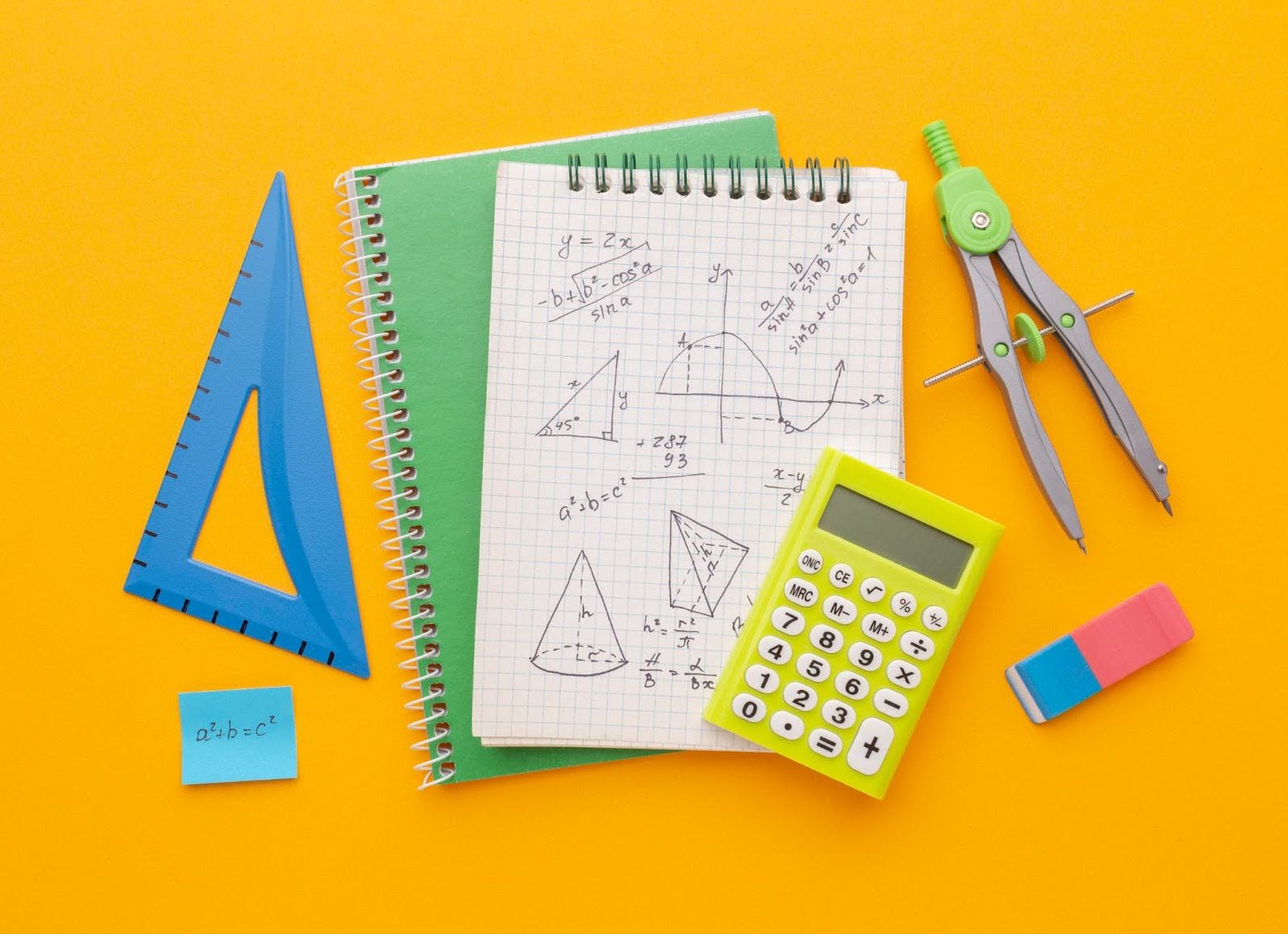
Before the competition, gather everything you are allowed to bring. This might include pencils, erasers, a ruler, or an approved calculator.
Check the list early so you are not scrambling on the day of the contest.
14. Practise Speed and Accuracy
Speed matters, but not at the cost of accuracy. Aim to answer questions quickly while still double-checking your work.
You can train for both by setting strict time limits and reviewing your answers immediately after each practice set.
15. Balance Study and Rest
Studying without breaks can lead to burnout. Include short breaks in your study sessions and get enough sleep each night.
A well-rested mind is sharper, faster, and more creative when solving problems.
How to Prepare During the Competition
1. Read All Questions First

Scan the entire paper before you begin to get a sense of the question types and difficulty levels. This helps you decide which questions to tackle first and how to pace yourself.
2. Start With Easy Questions
Answer the questions you are most confident about to build momentum early in the contest. This allows you to secure quick points before focusing on the harder problems.
3. Manage Your Time Well
Divide your time according to the number and difficulty of questions. If a question takes too long, move on and return to it if time allows.
4. Check Answers Carefully
Reserve a few minutes at the end to review your solutions. Correcting small calculation or writing errors can save valuable points.
5. Draw Diagrams When Needed
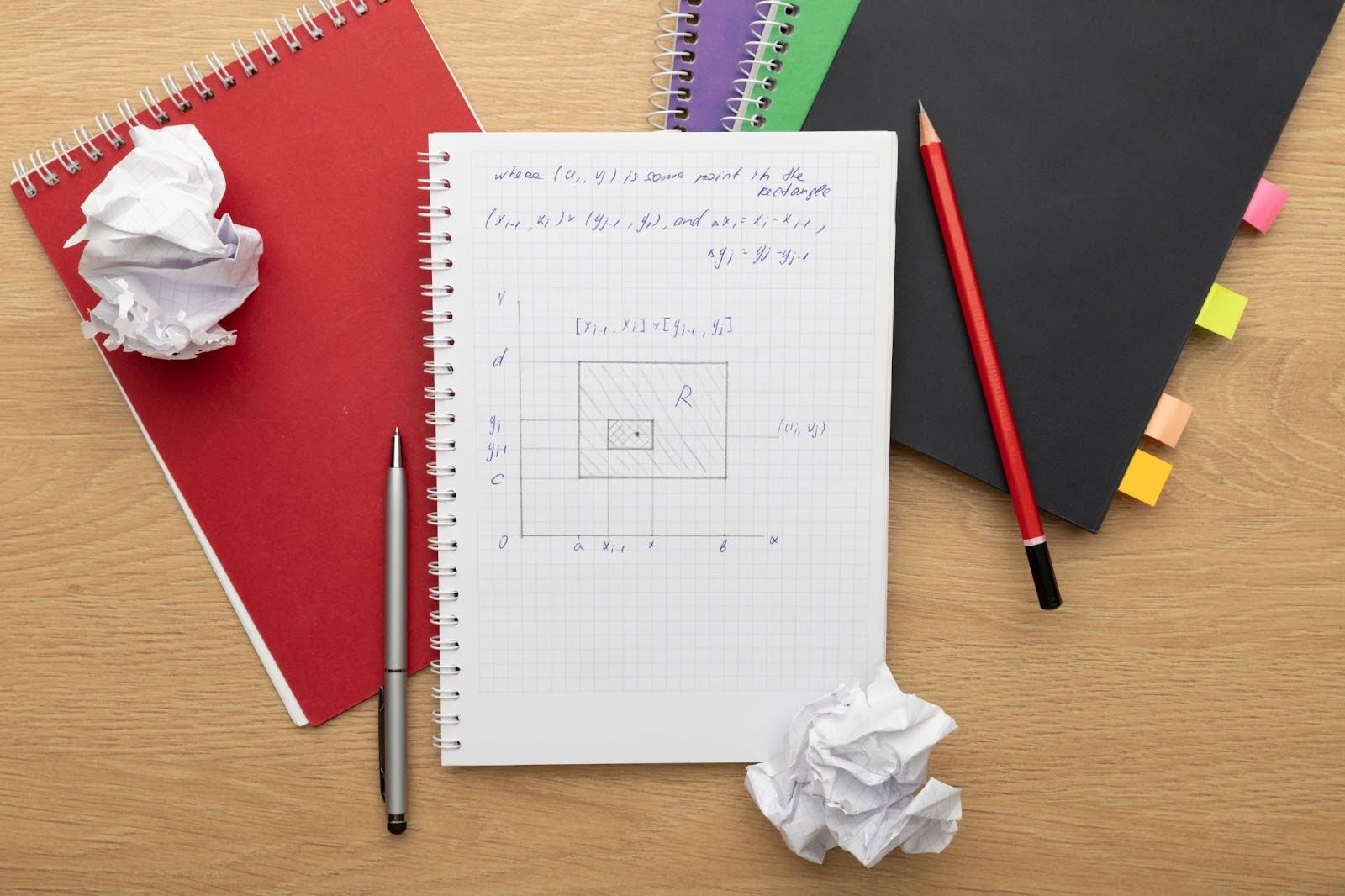
For geometry or complex problems, a neat diagram can make relationships clearer. Visual aids often reveal shortcuts or patterns you might miss otherwise.
6. Guess When Necessary
If you are unsure and time is running out, make an educated guess instead of leaving the answer blank. Eliminate obviously wrong options to improve your odds.
7. Stay Calm and Focused
Maintain steady breathing and focus on one question at a time to avoid feeling overwhelmed. Confidence in your preparation will help you perform at your best.
Benefits of Enrolling in Math Tuition for Competitions

Learn From Expert Coaches
Math tuition gives you access to coaches who understand competition formats and strategies. Their experience helps you avoid common mistakes and master techniques faster.
Get a Personalised Study Plan
A tailored study plan focuses on your strengths and improves your weaker areas. This ensures every session moves you closer to being fully prepared for math competitions.
Solve a Wide Range of Problems
Tuition exposes you to problems from different competitions and difficulty levels. This broad practice prepares you for both familiar and unexpected question types.
Build Confidence With Mock Tests
Regular mock tests simulate real competition conditions. They help you improve time management and reduce anxiety on the actual day.
Meet and Learn With Peers
Studying alongside others lets you exchange problem-solving ideas and learn new approaches. It also keeps you motivated and engaged throughout your preparation.
Enter the Contest Fully Prepared
With expert guidance and consistent practice, you walk into the competition knowing what to expect. This confidence allows you to focus on performing your best.
Conclusion About Preparing For Math Competitions
Preparing for math competitions takes planning, practice, and the right mindset. By following effective preparation steps, you can build the skills, confidence, and focus needed to perform at your best on competition day.
Tutify is here to guide you. As a top-rated math tuition provider in Singapore, our Critical Thinking training approach has helped hundreds of students excel in Mathematics and Maths Olympiad, securing their places in top schools. If you want expert guidance to reach your full potential, reach out to us today.
Contact us now and start your journey to math competition success with Tutify.
Frequently Asked Questions About Preparing For Math Competitions
How Do You Prepare For A Math Competition?
Start early, learn the required topics, practise regularly, and review mistakes. Timed practice helps build both speed and accuracy.
What Skills Do You Need To Succeed For A Math Competition?
You need strong problem-solving ability, logical thinking, and the discipline to practise consistently. Time management is also important.
Which Subjects Should You Focus On?
Most contests include algebra, geometry, number theory, and combinatorics. Some also cover probability, logic, or advanced topics.
How Long Should You Practise Each Day?
One to two hours of focused study is effective for most students. Quality practice matters more than the number of hours.
What Should You Do If You Get Stuck On A Question?
Skip it and return later if time allows. This prevents you from losing too much time on one problem.
Is Group Study Useful?
Yes, it lets you learn different approaches and share problem-solving techniques. Discussing solutions can deepen your understanding.
Can Beginners Join Competitions?
Yes, anyone can join regardless of experience. Starting with easier contests helps build confidence for harder ones.
What Should You Bring On The Day Of The Contest?
Bring approved stationery, a calculator if allowed, and your admission slip. Prepare them the night before to avoid stress.