
It is a common story we hear from parents across Singapore. You spend an evening helping your child with a math topic, they finally understand it, but the next week, it is as if they have never seen it before. This frustration is valid.
The good news is that your child does not have a “bad memory” for math. The challenge lies in how information is learned and stored. This guide provides effective strategies to improve math memory, moving beyond simple memorisation to build lasting knowledge and confidence for exams like the PSLE and O-Levels.
Understanding the “Memory” in Mathematics
When we talk about memory in mathematics, we are referring to more than just memorising maths formulas. It involves recalling procedures, understanding patterns, and retrieving concepts to solve unfamiliar problems.
A strong math memory is a flexible tool, not a rigid list of facts. It is the ability to access the right information at the right time, especially under exam pressure. To support your child, it is helpful to understand the different types of memory they use when tackling a math problem.
Short-Term Working Memory vs. Long-Term Memory in Math
Think of your child’s working memory as a small whiteboard. It is where they hold and manipulate information for a task at hand, like keeping track of numbers while performing a multi-step calculation. This mental workspace is limited. If it gets overloaded with too much new information, mistakes happen and concepts are easily forgotten.
Long-term memory, on the other hand, is like a well-organised library. It stores foundational knowledge, such as multiplication tables, formulas, and problem-solving procedures that have been deeply learned. When a child can effortlessly pull information from their long-term memory, it frees up their working memory to focus on the complex, analytical parts of a problem. The goal is to move essential math skills from the temporary whiteboard to the permanent library.
The Problem with Rote Memorisation for Singapore Math
Many of us were taught to memorise times tables and formulas by heart. While this has its place, it is a very fragile strategy for the demands of the modern Singapore math method. The curriculum here emphasises heuristic problem-solving and application, where questions are often phrased in unfamiliar ways. A child who has only memorised a formula will be stuck if they do not understand the underlying concept.
Rote learning often leads to surface-level knowledge that is quickly forgotten. It also increases math anxiety. When a child’s only strategy is memorisation, they panic during an exam if they cannot recall a specific rule perfectly. This panic further blocks their ability to think clearly and access what they do know, creating a cycle of poor performance and eroding confidence.
Practical Strategies to Improve Your Child’s Math Memory at Home

As a parent, you can make a significant impact on how well your child retains math knowledge. These strategies focus on building deep understanding, which is the bedrock of a reliable math memory.
Focus on Understanding, Not Just Memorising
The single most powerful way to improve math memory is to ensure your child truly understands the “why” behind a concept, not just the “how.” Before even attempting to memorise a formula, they should be able to explain what it means and when to use it. A great way to check for understanding is to ask your child to teach the concept back to you in their own words.
This approach is at the heart of the Singapore math method’s Concrete-Pictorial-Abstract (CPA) framework. Children first learn with physical objects (Concrete), then move to drawing models (Pictorial), and only then move to the numbers and symbols (Abstract). This process ensures they have a solid mental model of the concept, making it far more memorable.
Using Visualisation Techniques for Abstract Concepts
Our brains are wired to remember images better than abstract information. Visualisation techniques are therefore powerful math memory techniques. Encourage your child to draw out problems. For word problems, this could mean using the bar model to represent quantities. For geometry, it could be drawing and labelling shapes. For fractions, it might be shading parts of a circle or a rectangle.
These drawings act as mental hooks. When your child sees a similar problem in an exam, they will not just be trying to recall a formula; they will be recalling the picture they drew. This visual connection makes retrieval faster and more reliable.
The Chunking Method for Complex Formulas and Steps
Complex information is hard for our working memory to handle all at once. “Chunking” is the process of breaking down a long procedure or a complex formula into smaller, more manageable parts. By mastering each small chunk, the entire process becomes less intimidating and easier to remember.
For example, when solving a complex algebra problem, the steps could be chunked as:
- Step 1: Simplify the brackets.
- Step 2: Group all the ‘x’ terms on one side.
- Step 3: Group all the constant numbers on the other side.
- Step 4: Solve for ‘x’.
By focusing on one step at a time, the cognitive load is reduced. Your child is not trying to remember a ten-step process; they are just remembering a few simple chunks. This is an essential skill for tackling challenging PSLE math and O-Level math questions.
Spaced Repetition and Consistent Practice
Cramming for an exam is a recipe for forgetting. The information might stay in the short-term memory long enough for the test, but it will vanish soon after. A much more effective method for building long-term memory is spaced repetition and training. This involves reviewing a topic at increasing intervals, for example, one day after learning it, then three days later, then a week later.
This process signals to the brain that the information is important and should be stored permanently. This is best supported by consistent math practice. Short, regular sessions of 15-20 minutes a day are far more effective for memory retention than one long, three-hour session on a weekend.
How to Improve Logical Thinking for Better Recall
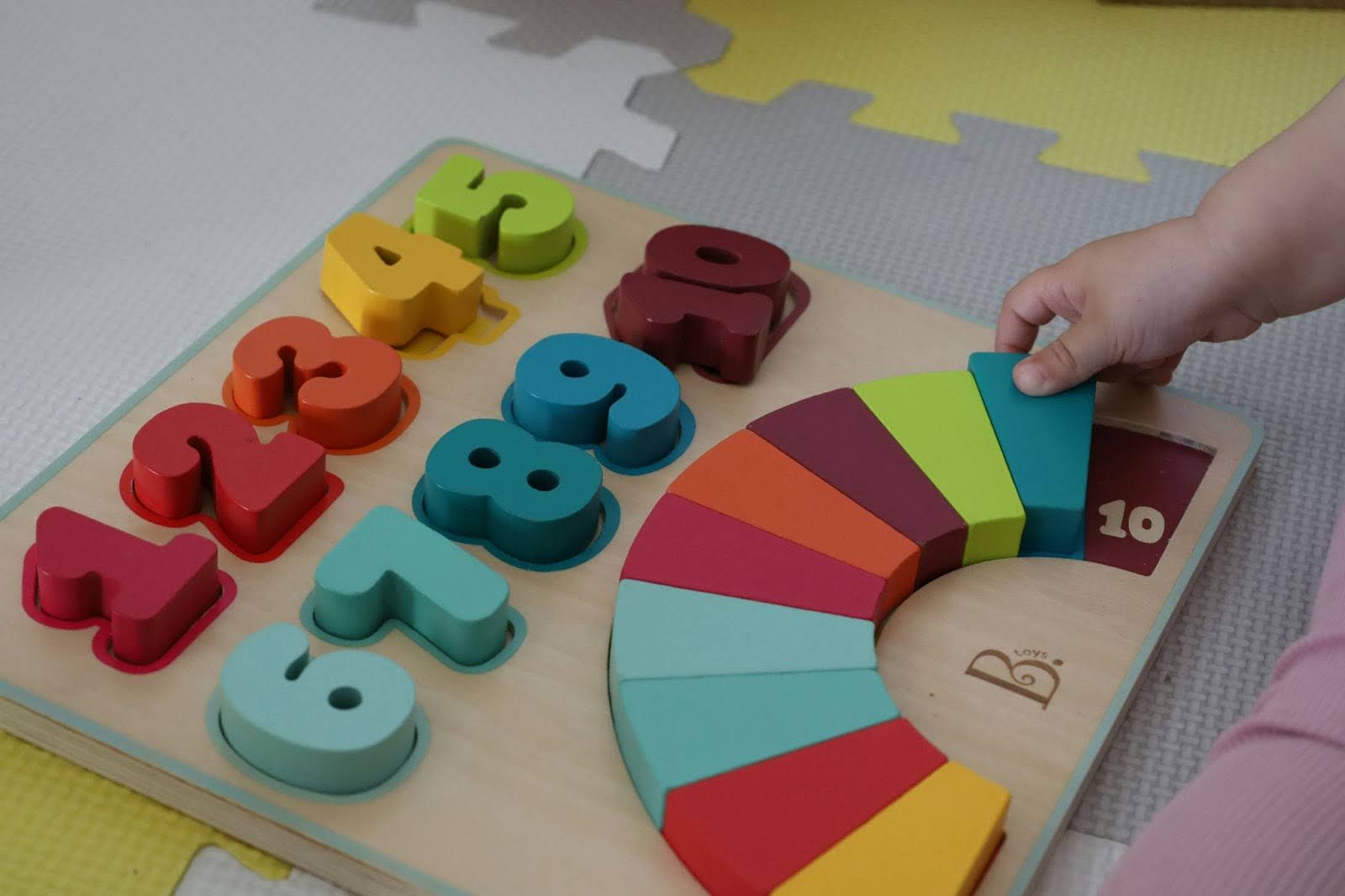
A child who can think logically about a math problem does not need to rely as heavily on pure memory. They can often derive or reason their way to a solution, which is a more advanced and reliable skill.
Encouraging a Problem-Solving Mindset
Shift the focus from “getting the right answer” to “understanding the process.” When your child is stuck on a problem, resist giving them the solution immediately. Instead, ask guiding questions like, “What have you tried so far?” or “What information does the question give you?”
Work through problems together and say your own thought process out loud. For example, “Okay, the question asks for the perimeter, so I know I need to find the total length around the outside of the shape.” This models the logical steps required and helps your child build a mental framework for how to remember math concepts and problem-solving approaches.
Connecting Math to Real-World Scenarios
Memory thrives on relevance. When a child can see how math applies to their daily life, the concepts become less abstract and more memorable. Use Singapore-specific examples to make learning stick.
When you are at an NTUC FairPrice, ask them to calculate the total bill with a 10% discount. When planning a trip on the MRT, get them to calculate travel times between stations. Discuss the cost per square foot of an HDB flat. These real-world connections provide a meaningful context that strengthens memory recall far more effectively than a worksheet. This type of parental support is invaluable.
How to Improve Concentration and Calculation Speed
Often, what appears to be a memory problem is actually an issue with concentration or calculation efficiency. If a child is slow or makes careless mistakes, it can hinder their ability to solve multi-step problems, making it seem like they have forgotten the concepts.
Creating a Conducive Study Environment
A child’s working memory is easily disrupted by distractions. Creating a quiet, organised study space is a simple but effective step. Ensure their desk is free from clutter and that electronic devices like phones and tablets are out of sight during study time. Good lighting and a comfortable chair also help improve focus. When a child can concentrate fully, they are better able to encode information correctly into their memory.
Gamification and Practice Websites
To improve speed and accuracy, practice is key. However, endless drills can be boring. Gamifying the experience can dramatically increase motivation and engagement. There are many online resources and apps that use math games, puzzles, and timed challenges to make math practice more enjoyable. These activities help automate basic skills like multiplication and division, which frees up mental resources to tackle more complex problems. This is an excellent way to improve math skills Singapore students need for their exams.
The Role of Specialised Math Tuition in Boosting Memory
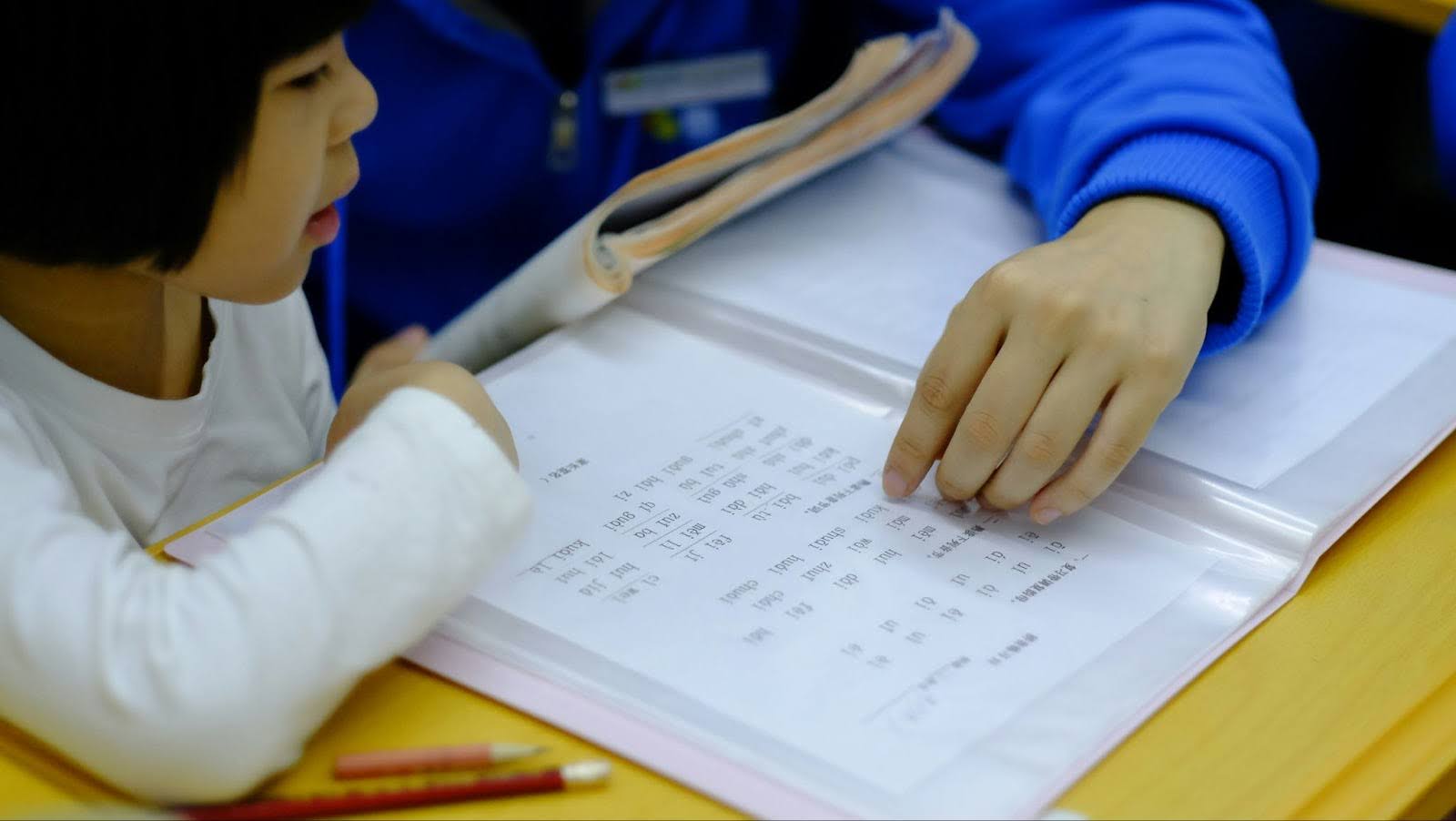
While the strategies above can make a huge difference, some children benefit from the dedicated support and expertise of a specialist. If your child continues to struggle with remembering math concepts, specialised tuition can provide a targeted and highly effective solution.
Why Generic Tuition May Not Be Enough
Many math enrichment centres in Singapore operate with large class sizes. While these can be good for general revision, they often follow a standardised curriculum that may not address your child’s specific memory gaps. A child struggling with foundational concepts may be left behind as the class moves on, while another may be bored and disengaged. A one-size-fits-all approach rarely works for a problem as nuanced as memory.
Targeted Strategies Used by Math Specialists
A true math tuition specialist acts like a detective. The first step is to diagnose the root cause of the memory issue. Is it a misunderstanding of a Year 3 concept that is now causing problems in Year 5? Is math anxiety blocking recall during tests? Or is it a weakness in working memory?
Once the cause is identified, the specialist can apply tailored interventions. They will use the same proven math memory techniques like visualisation and chunking, but adapt them to your child’s unique learning style.
They can provide specific PSLE math memory tips or work with a secondary student to develop a smart, organised O-Level math formula sheet that is a tool for understanding, not just a list to be memorised. This personalised approach ensures that learning is efficient, effective, and builds a solid foundation.
Building Confidence to Improve Recall
Memory and confidence are deeply linked. A child who feels anxious or believes they are “bad at math” will find it much harder to recall information. A key role of a specialist tutor is to create a safe, encouraging environment where it is okay to make mistakes.
Through one-on-one or small-group guidance, the tutor can celebrate small wins, patiently correct misunderstandings, and build a child’s self-belief. As confidence grows, math anxiety decreases. This frees up the child’s mind, giving them better access to their memory and allowing them to perform at their true potential. Providing this kind of expert help is one of the most powerful forms of parental support you can offer.
Conclusion On Improving Math Memory
Helping your child improve math memory is a journey that moves away from rote learning and towards deep conceptual understanding. It is about building a mental library of knowledge, not just cramming facts onto a temporary whiteboard. By focusing on the “why,” using visualisation techniques, and ensuring consistent math practice, you can provide powerful support at home.
For children who need more targeted help, partnering with a math tuition specialist can unlock their potential, address specific gaps, and build the lasting confidence they need to succeed in the demanding Singapore education system.
If you want to improve your child’s math skills, contact us. We have programmes geared to help and provide you with the tools and insights to do that.
Enrol in our free trial lessons to see if it’s a great fit.
Frequently Asked Questions About Improving Math Memory
How Can I Improve My Memory for Math Formulas?
The best way is to understand where the formula comes from and what it represents. Instead of just memorising Area = Length x Width, draw a rectangle and show how the formula is simply a fast way of counting all the little squares inside. Connect formulas to visual proofs and real-world examples. Regular, spaced-out practice using the formula in different types of problems will also move it from short-term to long-term memory.
Why Do I Forget Math Concepts So Easily?
Forgetting often happens when a concept was never truly understood in the first place. If you only learned the steps to get an answer (rote learning), you are likely to forget it because it holds no meaning. Forgetting can also be caused by cognitive overload, where your working memory is trying to handle too much information at once. Finally, a lack of consistent practice means the brain does not register the concept as important enough to store permanently.
How Can I Train My Brain to Be Good at Math?
You can train your brain for math by treating it like a muscle. Start with a positive mindset; believing you can improve is the first step. Focus on understanding concepts deeply rather than just memorising. Engage in regular math practice to build and strengthen neural pathways. Challenge yourself with puzzles and logic problems to improve your problem-solving skills. Finally, do not be afraid to make mistakes, they are a vital part of the learning process.
What Is the Best Way to Memorise Maths?
The best way is to reframe the goal from “memorising” to “learning and understanding.” The most effective method is to ensure you fully grasp a concept. Use visualisation techniques like drawing diagrams. Explain the concept out loud to someone else. Connect the abstract idea to a real-life situation. Use methods like chunking for complex processes and spaced repetition for review. This creates multiple strong connections in your brain, making the information much easier to recall.
How Do You Remember Math Steps?
To remember math steps, focus on the logic connecting them. Each step should make sense as a progression from the one before it. The “chunking” method is very effective here; group a long process into 2-3 mini-stages. Creating a flowchart or a simple diagram of the steps can also provide a visual aid. Most importantly, practice the process with various problems until it becomes second nature, moving it from conscious effort to your long-term memory.
Can You Be Good at Math with a Bad Memory?
Yes, absolutely. While memory plays a role, mathematics relies more heavily on logic, pattern recognition, and problem-solving skills. Someone with a self-perceived “bad memory” can excel by focusing on their strengths. By deeply understanding concepts, they reduce the amount of information they need to memorise. They can learn to derive formulas from basic principles and become very skilled at applying logical steps, which lessens the burden on pure memory recall.